Policy Event on Smart Readiness Indicator in Greece

Policy Event on Smart Readiness Indicator in Greece

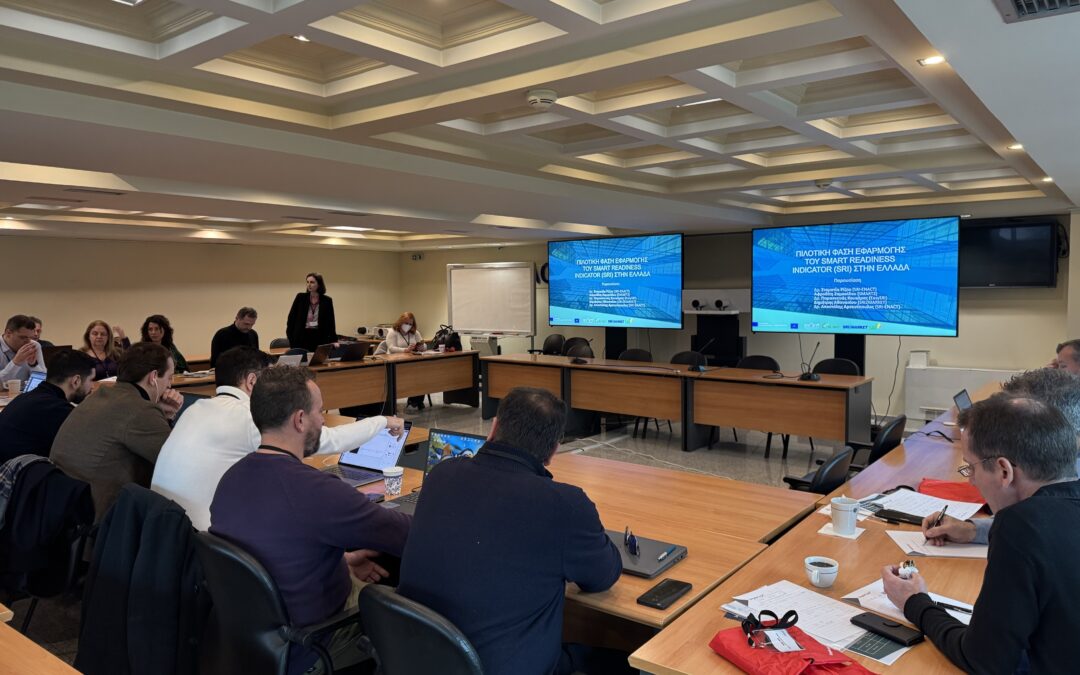
 On 19 February 2025, a successful Policy Event was organized by SingularLogic in collaboration with National Technical University of Athens. The event brought together key stakeholders and experts including members of Greece’s Liaison Group, SRI Assessors, representatives from the Ministry, and the SRI Cluster.
 The agenda featured presentations on SRI assessments using Method A and Method B, showcasing selected case studies by assessors. Updates were provided on the interoperability task of assessment tools, and a roadmap was set for policy development and best practices.
 A key discussion followed regarding creating a national framework kor integrating the Smart Readiness Indicator into Greece’s policy landscape.
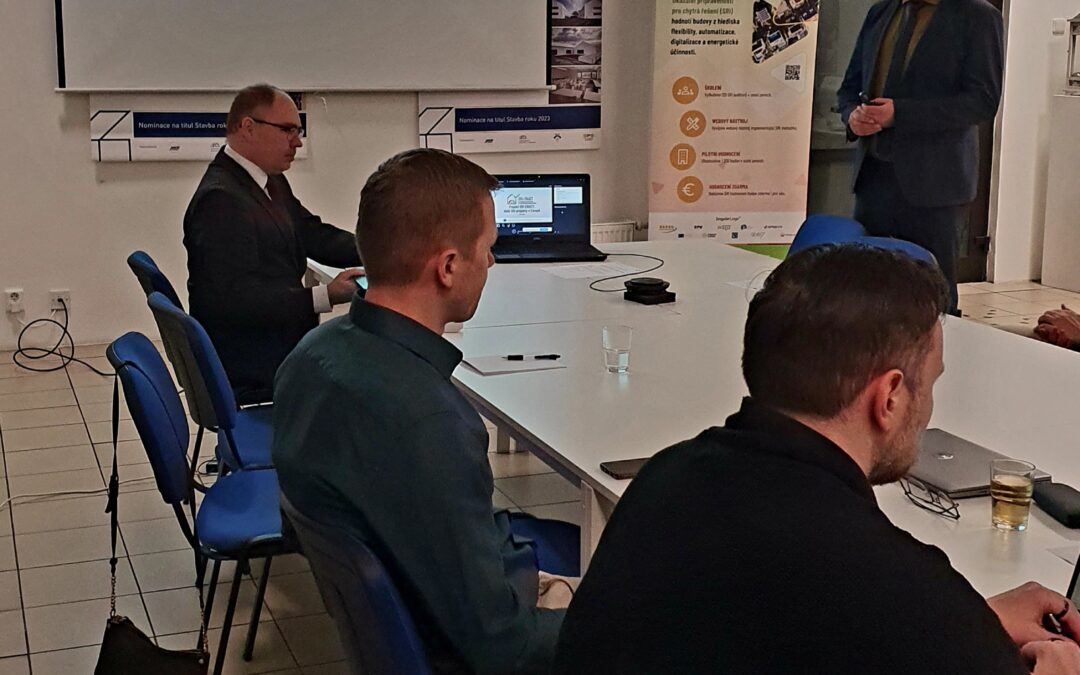
SRI-ENACT Event in Prague Brings Together Energy Experts, Ministry Representatives and Liaison Group Members in the Czech Republic

SRI-ENACT Event in Prague Brings Together Energy Experts, Ministry Representatives and Liaison Group Members in the Czech Republic

On Thursday, February 13, 2025, the SRI-ENACT partner SEVEn organized an event for energy experts and Ministry of Industry and Trade representatives focused on the Smart Readiness Indicator (SRI) including liaison group meeting. The event featured an overview of the current legislative developments and the introduction of the SRI methodology. It also included a presentation of the latest results from the pilot SRI assessments: the average building scores achieved, the representation of building types, and the experiences of SRI auditors. Additionally, the policy event summarized the proposed Czech implementation and the necessary changes for the successful adoption of SRI in the Czech Republic.
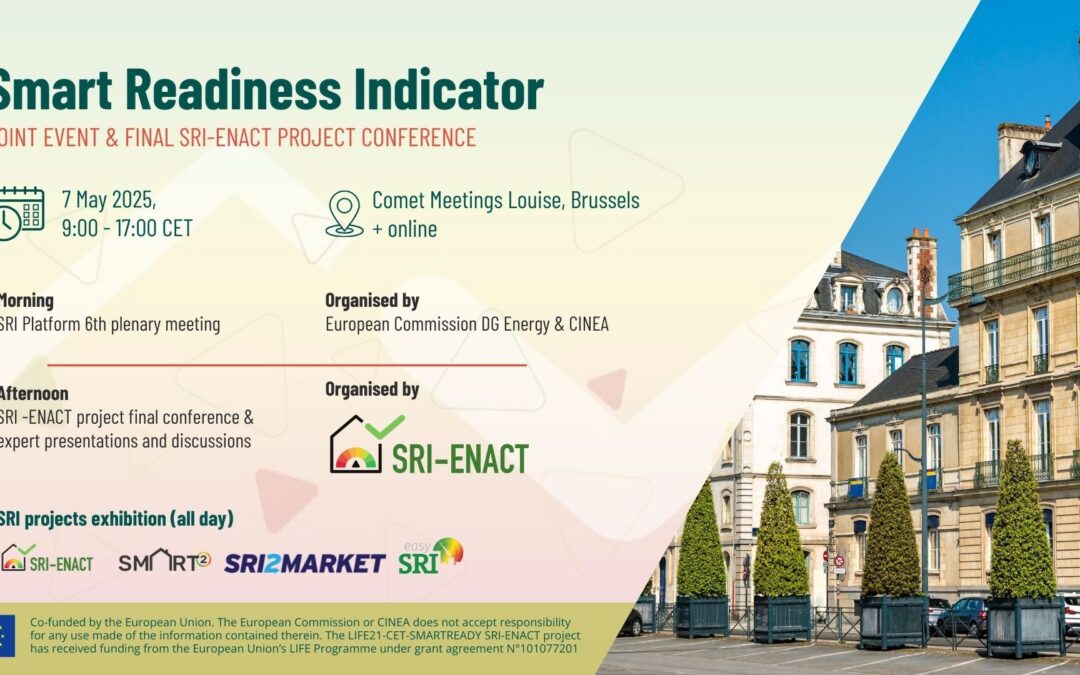
Smart Readiness Indicator (Joint Event & SRI-ENACT project final conference)

Smart Readiness Indicator (Joint Event & SRI-ENACT project final conference)

How smart is your building? Join the SRI Joint Event to learn about the Smart Readiness Indicator (SRI), an initiative by the European Commission under the EPBD. The SRI measures a building’s ability to leverage smart technologies for decarbonisation while enhancing comfort and energy efficiency.

The SRI Joint Event and the final conference of the SRI-ENACT project is a unique opportunity to explore and discuss the smart readiness of European buildings. This full-day gathering brings together industry experts, policymakers, and stakeholders to engage in insightful discussions, knowledge sharing, and networking.


HOW TO ATTEND?


WHAT TO EXPECT?

Morning Session:

  • SRI Platform 6th Plenary Meeting: Organised by the European Commission’s Directorate-General for Energy and the European Climate, Infrastructure and Environment Executive Agency (CINEA), this session will provide updates on EU policy developments related to SRI, insights from the SRI support team, and progress reports from Member States on SRI testing and implementation

Afternoon Session:

  • SRI-ENACT Roundtable: Project results & experience sharing
  • Insights from the SRI assessments using the SRI-ENACT toolkit: 8 SRI auditors officially trained through the SRI-ENACT training programme will share their achievements and experience with the buildings assessments
  • Expert Talks & Panel Discussions

All-Day Exhibition:
A showcase of SRI-funded projects under the LIFE and Horizon programs, highlighting innovative initiatives driving the adoption of smart building assessments.

Networking opportunities
The beautiful terrace of the Comet meeting venue will be available to in-person participants throughout the day. Don’t miss the opportunity to have lunch with us and network with different stakeholders!


WHY ATTEND?

Homeowners, real-estate stakeholders, researchers, industry professionals, and policymakers. We welcome everyone who is interested in knowledge exchange and to be part of a growing community dedicated to smarter, greener buildings and sustainable future. We welcome you to explore the benefits of the SRI and learn how smart building assessments can improve energy efficiency, sustainability, and cost savings.

This event is organized by the SRI-ENACT project in collaboration with the LIFE CET SRI Cluster, including SRI2MARKET, EasySRI, and SmartSquare. Join us and take the next step toward a smarter, more sustainable future!

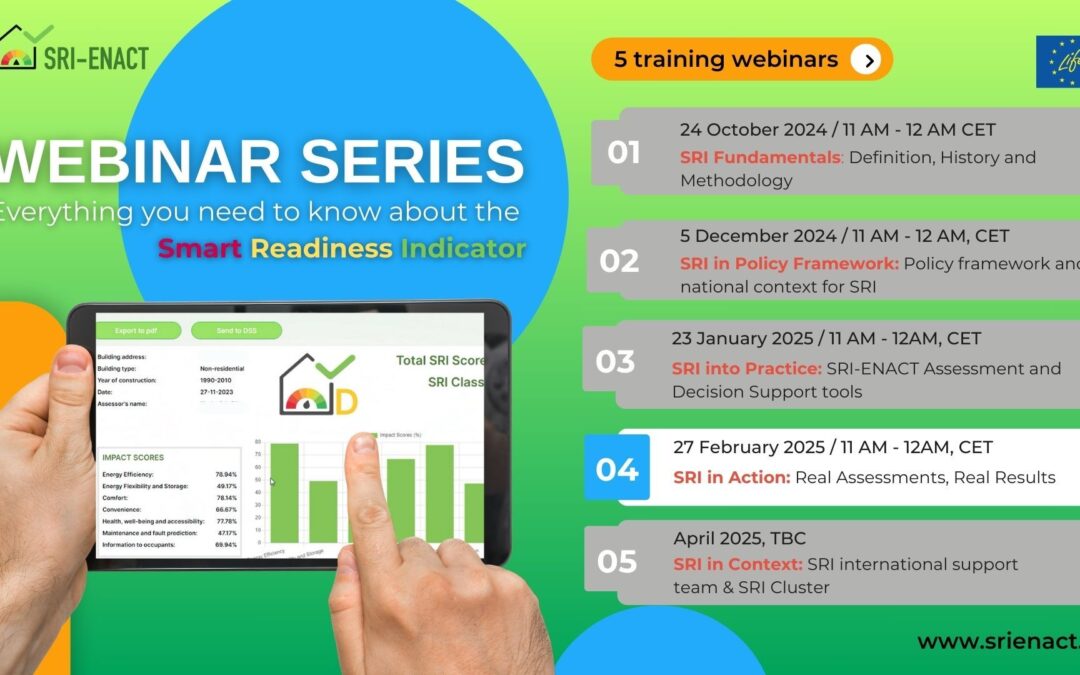
SRI webinar series: 4) Real Assessments, Real Results

SRI webinar series: 4) Real Assessments, Real Results

Everything you need to know about the Smart Readiness Indicator
 

Buildings are among the largest contributors to carbon emissions, but we don’t need to wait years or spend a fortune on renovations to make a difference. Smart technologies can provide a faster, more effective solution by optimising energy use, enhancing comfort, and improving overall performance. This is where the Smart Readiness Indicator (SRI) comes into play, offering a clear framework for making buildings smarter and more sustainable.

The SRI-ENACT project is hosting a five-part webinar series to offer a thorough understanding of the Smart Readiness Indicator (SRI)—from its foundational concepts to practical examples of building assessments.

In the fourth episode, several SRI Assessors trained during our project will share their experiences, providing insights into their training journey and showcasing key highlights from their assessments conducted using the SRI-ENACT tool.

WHO CAN JOIN?

This webinar is ideal for anyone who is passionate about driving sustainability and innovation in the built environment and wants to learn about the SRI concept – whether you’re a professional in the field, a policy maker or considering becoming an SRI auditor.

Agenda:

  • 11:00 – 11:05 Welcome by the moderator, Dimitris Stratakos
  • 11:05 – 11:15 Introduction: Overview of the SRI-ENACT assessments in the 8 pilot countries, Stamatia Rizou
  • 11:15 – 11:25 Results of the first SRI testing in the building sector in Bulgaria, Petar Kisyov
  • 11:25 – 11:35 Results of the first SRI testing in the building sector in Croatia, Saša Bardak
  • 11:35 – 11:45 Results of the first SRI testing in the building sector in the Czech Republic, Hana Gerbelová
  • 11:45 – 12:00 Q&A

Register here.

Pre-pilot SRI assessments in Romania

Pre-pilot SRI assessments in Romania

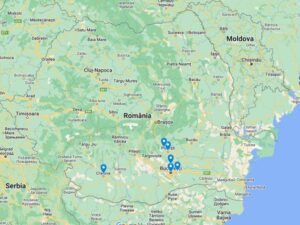
During the first cycle, ISPE’s in-house auditor conducted pilot SRI assessments on 10 buildings across six diverse locations in Romania. These buildings represent a range of categories: 

  • Four residential buildings in Bucharest, the capital city 
  • A high school in Ploiești, Prahova County 
  • A hospital and an ambulatory clinic for athletes in Craiova, Dolj County 
  • A commercial building in Brănești, Ilfov County 
  • A school in Baicoi, Prahova County 
  • An office building in Balotești, Ilfov County 


The map below illustrates the locations of all assessed buildings. 


The following buildings have been assessed  


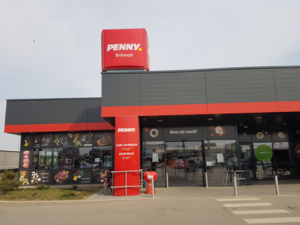
Penny Market, Brănești 

SRI score: 48.6%, Class E 


Clinical Emergency Hospital, C2 building, Craiova 

SRI score: 40%, Class E 

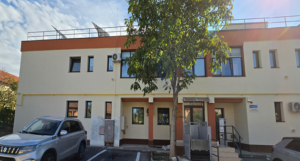
Ambulatory clinic for athletes, Craiova 

SRI score: 32.1%, Class F 


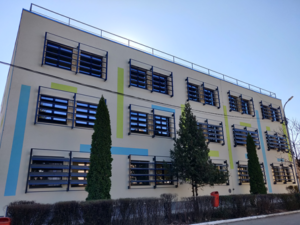
School no.3, Băicoi 

SRI score: 31,6%, Class F 

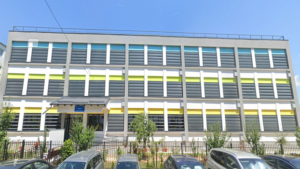
“Elie Radu” Energy Technology High School, C10 building, Ploiesti 

SRI score: 28%, Class F 


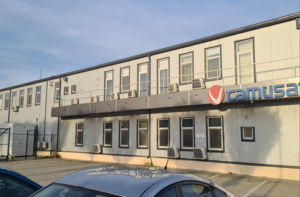
CAMUSAT ROM Telecommunications, Balotești 

SRI score: 23.3%, Class F 

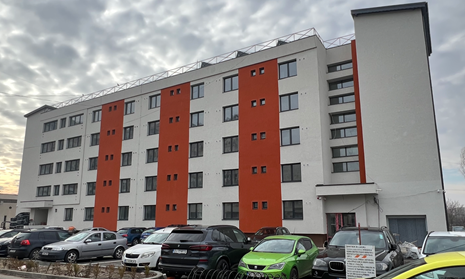
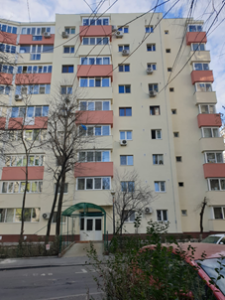
Block of flats, district 2, Bucharest 

SRI score: 18.2%, Class G 


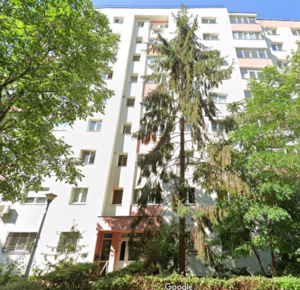
Block of flats, district 2, Bucharest 

SRI score: 18.2%, Class G 

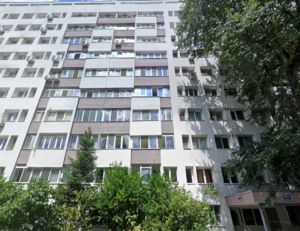
Block of flats, district 6, Bucharest 

SRI score: 9.2%, Class G 

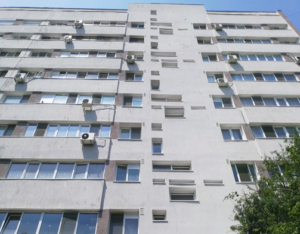
Block of flats, district 6, Bucharest 

SRI score: 6.4%, Class G 


Among the assessed buildings, the commercial building and the emergency hospital achieved the highest scores. The hospital, renovated in 2023, incorporated several advanced features, including: 

  • Local electricity generation: Photovoltaic panels with storage, with reporting of actual generation and consumption values. 
  • Domestic hot water (DHW) system control: Automatic control of solar collector storage, a dynamic priority system for DHW generators, and real-time reporting of DHW system values. 
  • Heating system: Thermostatic valves, demand-based control, variable-speed pumps, continuous storage, heat pump control, centralised system performance reporting, and scheduled operation. 

The high score for the emergency hospital reflects the emphasis on integrating cutting-edge smart technologies during its recent renovation. 

In contrast, the lower scores of other buildings highlight significant opportunities for improvement in areas such as energy optimisation, system automation, and occupant comfort across Romania’s building stock. 

Next Steps in the SRI testing 

The second cycle of SRI assessments is now underway. Following a training seminar attended by 60 participants, 10 expert auditors were selected to carry out the evaluations. This phase will expand the initiative to cover 110 diverse buildings across Romania